
When money from an estate "disappears": how to avoid disputes over accounts and cash
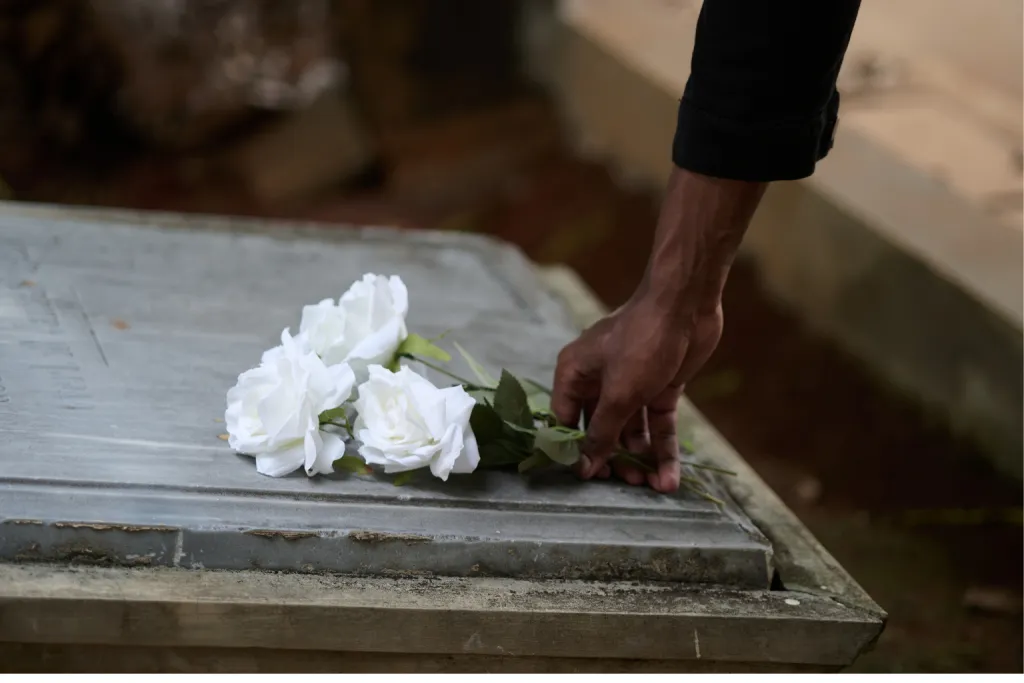
Did you know that many inheritance disputes start not with the ownership of the home or other visible assets, but with bank accounts and cash that nobody is keeping track of? The critical moments are usually before the person dies, or in the period between the death and the moment the bank is notified.
In that window, someone with access — a joint account holder, an authorised user or simply someone with the card — can withdraw money without the other heirs noticing. Once the bank is told about the death, the account is frozen and no further transactions are possible: that is why acting quickly is essential.
If unauthorised withdrawals are detected, the matter can be settled within the family by deducting the amounts from the responsible heir’s share. But it can also become a serious legal problem: misappropriation is a criminal offence, and where there was deceit or an attempt to hide the transactions, the penalty can include fines and even imprisonment.
Cash is even more complicated: because it is not recorded anywhere, it depends almost entirely on the honesty of those who have access to the deceased’s home or belongings. If cash is not declared and documented, it often “disappears” without a trace.
The good news? A well-planned succession procedure — notifying the bank of the death as soon as possible, requesting the account history, proving your status as heir and closing the account after the distribution — can prevent disputes and financial losses, and protect family relationships.