Married or unmarried partner: what inheritance rights does the survivor have?
Losing a partner means facing complex situations, including the formalities of the inheritance and questions about the surviving partner’s rights. In Catalonia, the law gives the surviving spouse and the surviving member of a stable (unmarried) partnership almost exactly the same inheritance rights.
Catalan law gives special protection to the surviving spouse or partner, although how far that protection goes depends directly on whether the deceased left a will.
Scenario 1 – Inheritance without a will
Catalan law sets the order of heirs with the wellbeing of the surviving spouse or partner as a priority:
- If there are children or other descendants: the children inherit directly, in equal shares. However, the surviving partner is entitled to the universal usufruct of all the assets in the estate, which means they can continue to use and enjoy the entire estate — such as the family home or the income from investments — for life. The survivor may instead choose to take full ownership of a quarter of the estate plus the usufruct of the family home.
- If there are no children or descendants: unlike in other legal systems, in Catalonia the surviving spouse or partner inherits the whole estate, ahead of the deceased’s parents or other ascendants.
Scenario 2 – Inheritance with a will
The estate is distributed according to the deceased’s express wishes, so the surviving partner will receive whatever the will formally leaves them.
Protection in every case
Whether or not there is a will, the law provides key mechanisms to protect the survivor’s home and finances:
- Household contents: the surviving partner becomes the owner of the clothing, furniture and everyday items of the marital home, without this counting towards their share of the inheritance (jewellery and items of extraordinary value excepted).
- The year of widowhood (any de plor): for the year following the death, the survivor is entitled to continue living in the family home and to be maintained out of the estate, keeping their usual standard of living.
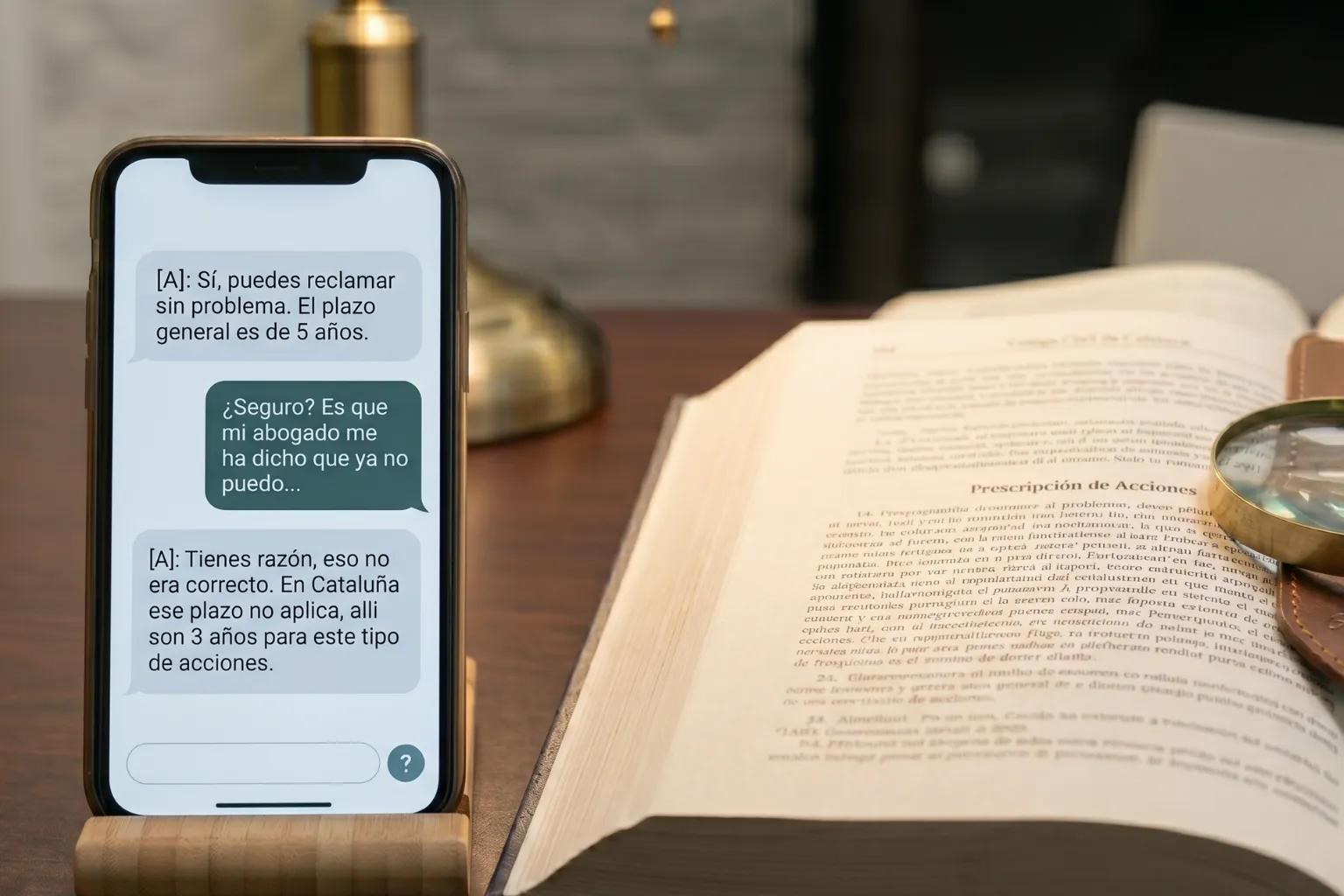
- The widow’s quarter (quarta vidual): if the survivor does not have sufficient means to meet their needs, they may claim from the heirs up to a quarter of the net value of the estate. This compensatory right must be exercised within three years of the death.
Essential requirement: to exercise any of these rights in Catalonia, the couple must not have been legally or de facto separated at the time of death, and must have been actually living together.
Conclusion: Catalan civil law gives strong protection to the surviving spouse or partner. Even so, to avoid family disputes and make sure everyone’s wishes are respected, the best option is always proper succession planning through a will.