Cryptocurrencies in an inheritance: assets that can be lost forever
Bitcoin, Ethereum and other crypto-assets are already part of the wealth of thousands of Spanish families. Yet the vast majority have taken no steps to make sure their heirs can access them when the time comes.
When we help a family draw up the inventory of a deceased relative’s estate, we increasingly find the same situation: someone knew the deceased “had something in crypto”, but nobody knows how much, on which platform, or how to access it. Sometimes those assets are recovered after a long and complicated process. Sometimes they are lost for good.
Yes, they can be inherited — but inheriting is not the same as accessing
Legally, cryptocurrencies form part of the estate and must be included in the inventory and in the inheritance tax return.
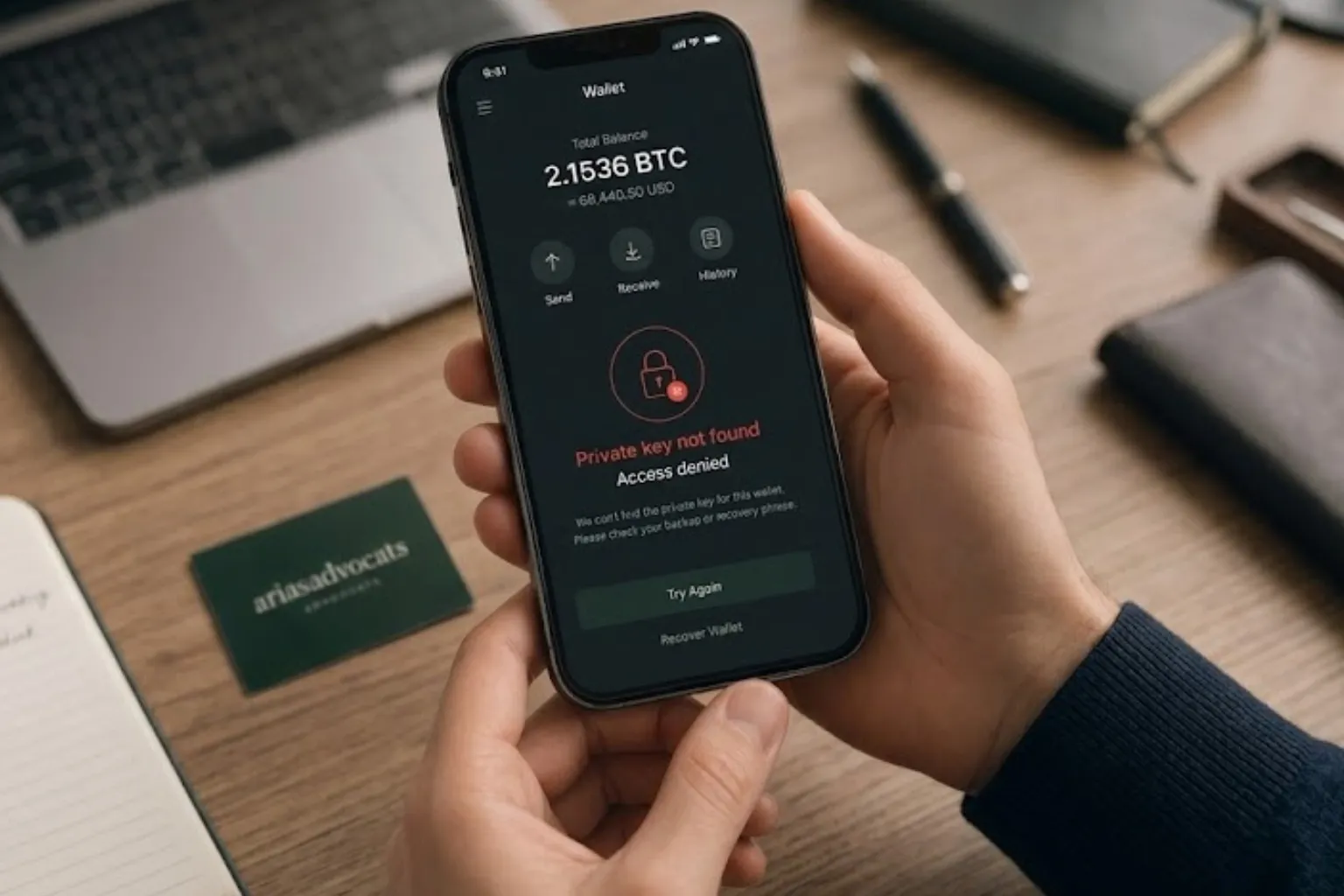
However, unlike a bank account, access depends entirely on the private key or seed phrase. Without that information, there is no way to recover the funds.
How to avoid losing these assets
The key is proper succession planning. We recommend:
- Keeping an up-to-date inventory of your digital assets: the platforms you use, the type of custody and their approximate value.
- Identifying precisely where the crypto-assets are held.
- Leaving clear and secure access instructions for your heirs.
It is not advisable to write the keys directly into your will. The best approach is to use a secure custody system and refer to it in your succession planning.
Cryptocurrencies give you direct control over your wealth, but they also bring a specific risk when it comes to inheritance: total loss through lack of access. It is therefore worth considering appointing a digital executor or including specific instructions for managing these assets in your will.
At our firm we can help you build your digital assets into your succession planning in a secure, orderly and effective way.