Year of mourning in Catalonia: surviving spouse's rights

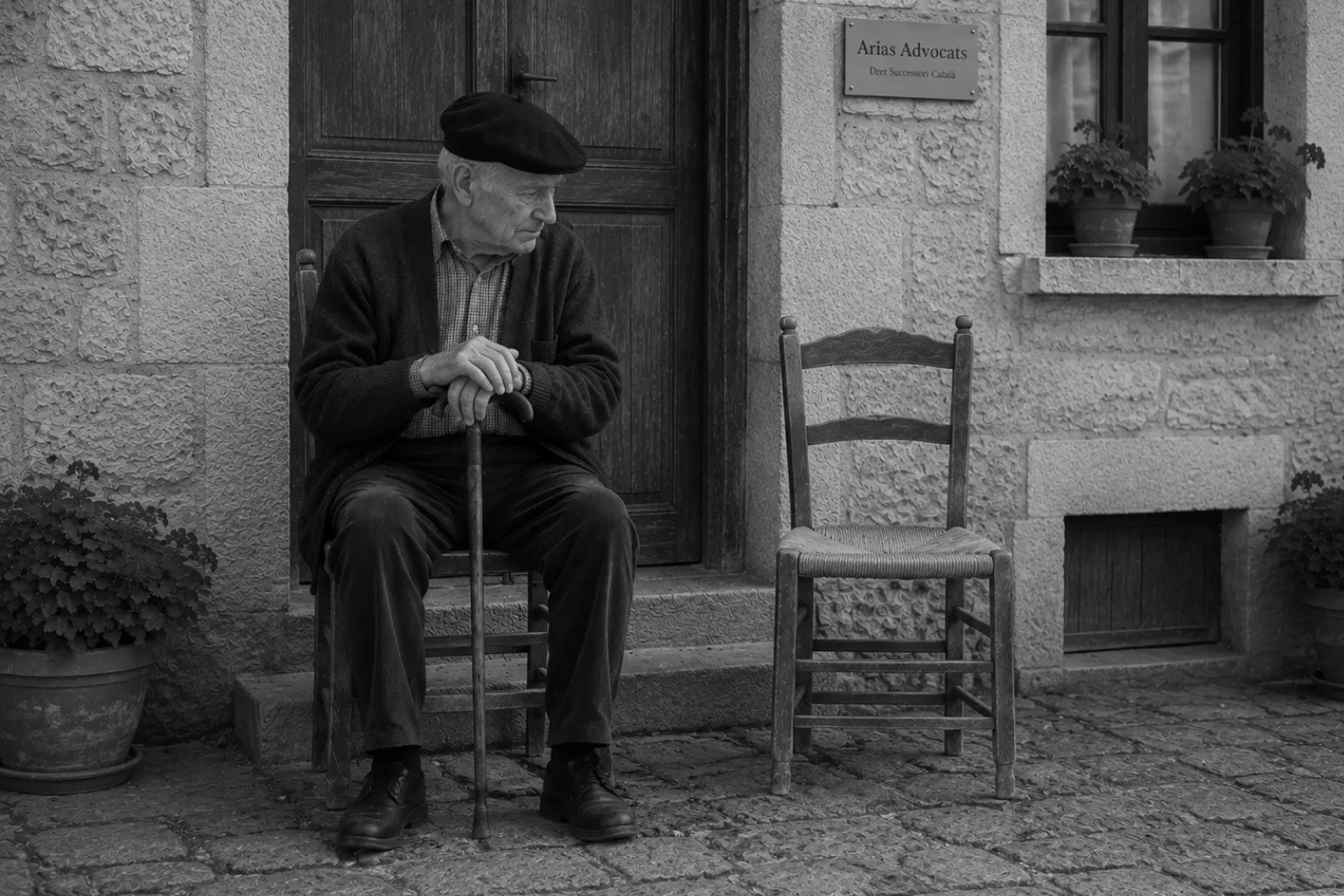
The year of mourning (any de plor in Catalan, legally the any de viduïtat or “year of widowhood”) is a protection in Catalan civil law for the surviving spouse or unmarried partner. For 12 months after the death, the survivor can keep living at home and receive an allowance paid out of the estate. This gives them time to reorganise their personal and financial life with peace of mind and legal stability.
When someone dies without a will in Catalonia and has descendants, the children become the heirs. So that the surviving partner is not suddenly left without a home or income, Catalan law activates this temporary protection.
What rights the surviving partner has during the year of mourning
This protection applies automatically during the 12 months after the death. You do not have to prove extreme poverty, and it does not depend on what the heirs want. It includes two rights:
- Right of residence in the marital home. You can keep living in the usual home, exclusively, using the furniture and everyday household items.
- Right to maintenance paid from the estate. This is a financial allowance paid out of the deceased’s assets. It covers day-to-day expenses and lets you keep your standard of living.
How the year of mourning allowance is calculated
The law sets the monthly allowance according to two factors:
- The standard of living and social status the couple had before the death.
- The size of the estate the deceased person left.
The amount is adjusted proportionally to cover the needs of one person and to let them continue with their usual lifestyle.
When the year of mourning does not apply in Catalonia
You cannot claim the year of widowhood in these cases:
- De facto or legal separation. If, at the time of death, the couple were not living together or were going through separation or divorce proceedings.
- Universal usufruct over the estate. If the survivor receives the usufruct of the entire estate, whether by will or by operation of law when there are children. Since they already have the use of all the assets, the protection of the year of mourning is not needed.
If you want to understand better what rights the survivor has depending on whether there was a marriage or an unmarried partnership, we explain it in Married or unmarried partner: what inheritance rights does the survivor have?. And if the deceased left no will, you can read who inherits when there is no will.
Deadlines, expiry and loss of the right
The year of mourning lasts a maximum of 12 months, counted from the day of the death. You must claim it formally within that period. Once the time has passed, the right expires for good.
The protection also ends early if the surviving person:
- Remarries or starts a new marriage-like cohabitation.
- Abandons or fails to meet the duties of parental authority towards the couple’s children.
Frequently asked questions about the year of mourning
How long does the year of mourning last?
A maximum of 12 months, from the day of the death. After that, the right expires.
Do I have to claim the year of widowhood?
Yes. The protection applies automatically during the 12 months, but you must claim it formally within the deadline. If you let the time pass, the right is lost for good.
Do I lose the year of mourning if I remarry?
Yes. The protection ends early if you marry again or start a new marriage-like cohabitation.
Am I entitled to the year of mourning if my spouse and I were separated?
No. If, at the time of death, the couple were not living together or were going through separation or divorce proceedings, you cannot claim it.
What to do if you have lost your partner
The year of mourning is a legal safeguard that lets someone who has lost their partner rebuild their financial and domestic life with dignity. Every case has its own details: whether there is a will, what assets there are and what each person receives. If you would like us to review your situation, you can read about how we help with inheritances or get in touch with us, and we will look at your specific case.